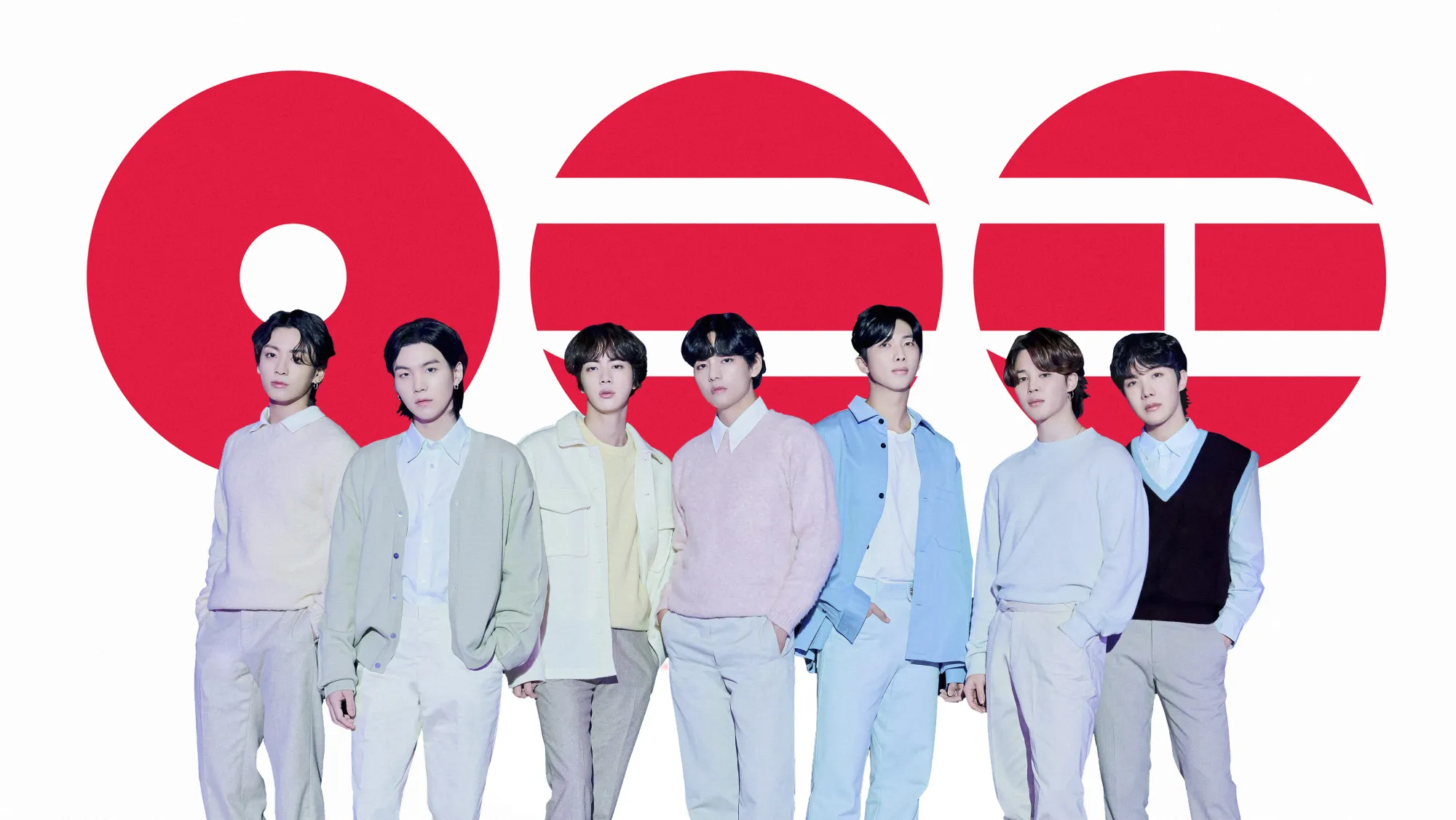
BTS Arirang Album, Westernisation, and the Cost of Viral Music
When Hooks Replace Meaning:
BTS released their latest Album Arirang and these are my thoughts as review of BTS Arirang Album. There was a time when listening to BTS felt like stepping into a story. Albums weren’t just a collection of songs—they were emotional journeys. Tracks like Fake Love, I Need U, and Pied Piper didn’t just sound good—they meant something. They carried narrative, tension, and emotional payoff.
But with the latest BTS Arirang Album, something feels different—and not in a way that signals growth.
The Shift: From Storytelling to Soundbites
The most noticeable change in BTS Arirang Album is not just in sound, but in structure. The newer songs lean heavily into:
- repetitive hooks
- simplified lyrics
- short, loop-friendly choruses
This isn’t unique to BTS. It reflects a broader industry shift driven by platforms like TikTok, where music is often consumed in 10–15 second clips rather than full-length experiences.
The result? Songs are increasingly designed to be:
- instantly catchy
- easily repeatable
- algorithm-friendly
But in optimizing for virality, something crucial gets lost: depth.
Repetition Isn’t the Problem — Context Is
Repetition has always existed in music. Even BTS has used it effectively.
Take Fake Love:
- The phrase “fake love” is repeated multiple times
- Yet it works because it represents a central emotional conflict
The verses build imagery, the pre-chorus builds tension, and the chorus releases it. The repetition amplifies meaning.
Now compare that to newer hook-heavy structures:
- a single word or short phrase repeated excessively
- minimal narrative build-up
- little emotional payoff
The repetition no longer emphasizes meaning—it replaces it.
Westernisation & English Lyrics: Expansion vs Identity
Another major shift in BTS Arirang Album is the increasing use of English and Western pop structures.
To be clear—this is not inherently negative. Global expansion requires adaptation, and BTS has proven they can succeed in English with songs like Dynamite, which broke barriers and opened doors worldwide.
However, the concern lies in over-reliance.
English is not the first language for BTS members. Naturally:
- emotional nuance
- poetic phrasing
- cultural metaphors
are harder to express with the same depth as in Korean.
This creates a subtle but important shift:
the music becomes more accessible, but less layered.
Earlier BTS lyrics often carried:
- cultural specificity
- introspective storytelling
- complex emotional themes
As more songs move toward simplified English hooks, the writing leans toward:
- universality
- repetition
- surface-level clarity
And while this helps global reach, it can dilute the very identity that made BTS stand out.

The “Dynamite Effect”
Dynamite was a turning point:
- massive global success
- radio dominance
- mainstream breakthrough
But success can sometimes create a template.
When that formula—
simple English lyrics + repetitive hooks + bright production—
is repeated too often, it stops feeling like evolution and starts feeling like replication.
And replication, over time, risks:
👉 eroding artistic identity
Concept vs Execution: The Missed Opportunity
What makes this shift more noticeable in BTS Arirang Album is the gap between concept and delivery.
When an album references something culturally significant—like Arirang—you expect:
- storytelling
- emotional depth
- lyrical intention rooted in that heritage
Instead, what we hear often feels disconnected from that promise.
This creates a mismatch:
A concept rooted in tradition, paired with music shaped by global pop trends.
The Changing Role of the Vocal Line
In earlier BTS songs:
- vocals carried emotional weight
- melodies supported storytelling
- delivery added intensity
In newer tracks:
- vocals often serve the hook
- lines are shorter, simpler, and more repetitive
This shifts their role from emotional anchors to structural elements, reducing the impact of the song as a whole.
The TikTok Effect: Music as Content
The rise of short-form platforms has reshaped how music is created.
BTS Arirang Album Songs are now built around:
- a single “viral moment”
- a loopable chorus
- immediate recognizability
Instead of:
music you sit with
We get:
music you scroll past, replay briefly, and move on from
Virality vs Longevity
Viral songs can bring:
- streams
- visibility
- new listeners
But longevity comes from:
- emotional connection
- lyrical depth
- narrative strength
That’s why songs like Fake Love still resonate years later, while many newer tracks fade quickly despite initial hype.
A Broader Industry Pattern
This isn’t just about BTS.
Across global pop and K-pop:
- hook-driven songs are increasing
- conceptual storytelling is decreasing
- albums feel less cohesive
Groups like TXT and ENHYPEN reflect similar experimentation with mixed outcomes.
Final Thought: What Made BTS Different
BTS didn’t rise globally just because of catchy songs. They stood out because they:
- told stories
- explored emotion
- balanced accessibility with depth
The concern isn’t that they’re evolving—it’s how they’re evolving.
If music becomes purely optimized for virality and global trends, it risks losing:
the cultural and emotional core that made it meaningful.
Looking Ahead
This phase with BTS Arirang Album may be part of a broader strategy—expanding reach, testing global sounds, and adapting to new consumption patterns.
But the expectation remains:
Not just songs that travel globally,
but songs that carry identity with them.
Because in the end,
hooks may go viral—
but roots are what make music last.